Peak seasons—such as major festivals and the wedding season—are the most profitable times of year for custom tailors, but they are also the most stressful. A sudden surge in orders can lead to production bottlenecks, misplaced measurements, and missed deadlines. To thrive during these hectic times, tailors must shift from reactive management to systematic operations.
Systematic Capacity Planning: The first step is knowing your workshop's absolute capacity. Calculate how many hours of cutting, stitching, and finishing your team can deliver daily. Once you reach 90% of this capacity, start extending your delivery dates to avoid overcommitting.
Prioritize High-Margin Orders: When time is limited, prioritize orders that offer the highest margins or come from your most loyal customers. Ensure these jobs are scheduled first in your queue.
Maintain Buffer Times: Never schedule order deliveries for the exact day the customer needs them. Always request a delivery date that is at least 3 to 5 days ahead of their actual event. This provides a safety net for any last-minute design tweaks.
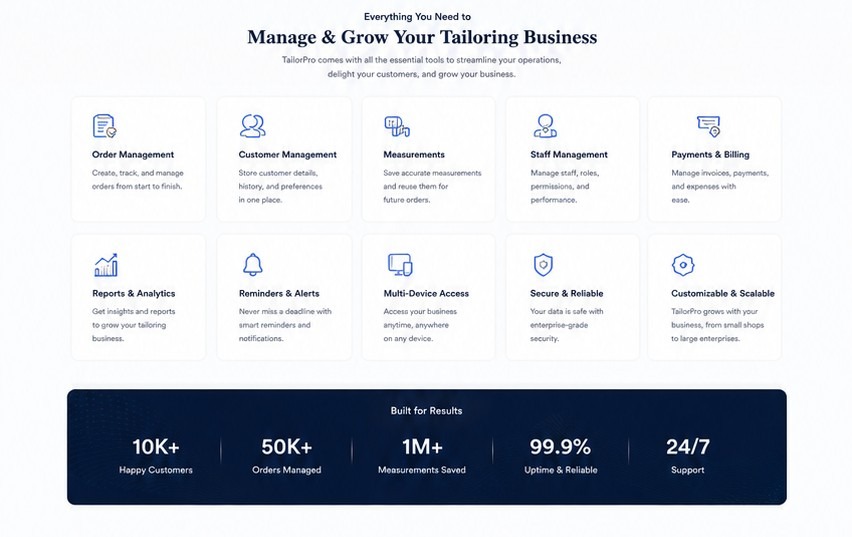
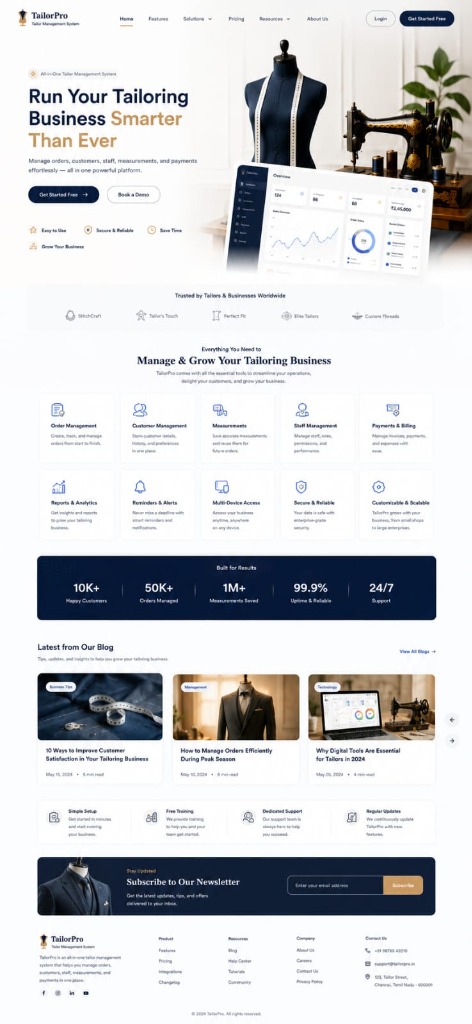
Adopt Digital Order Tracking: Ditch paper slips that can easily get lost or soiled in the workshop. A digital order log allows you to see the real-time status of every garment—whether it is cut, stitched, or awaiting trial—at a single glance.